Most GST/HST penalties we see are not the result of bad bookkeeping — they come from a filing frequency that no longer matches the size of the business. Once your taxable supplies cross a threshold, the CRA can reassign you from annual to quarterly, or quarterly to monthly, and the notice is easy to miss.
Why the frequency changes without warning
The CRA sets your filing frequency based on annual taxable supplies, reviewed each year. Cross a threshold and you'll receive a letter reassigning you to a shorter period — but that letter goes to whatever address is on file, and by the time it's forwarded, redirected, or simply missed in a pile of mail, the first deadline under the new frequency may have already passed.
This catches growing businesses specifically. A company that was comfortably annual for three years can cross into quarterly territory in a single strong year, and nobody adjusts the bookkeeping calendar to match.
The deadline calendar
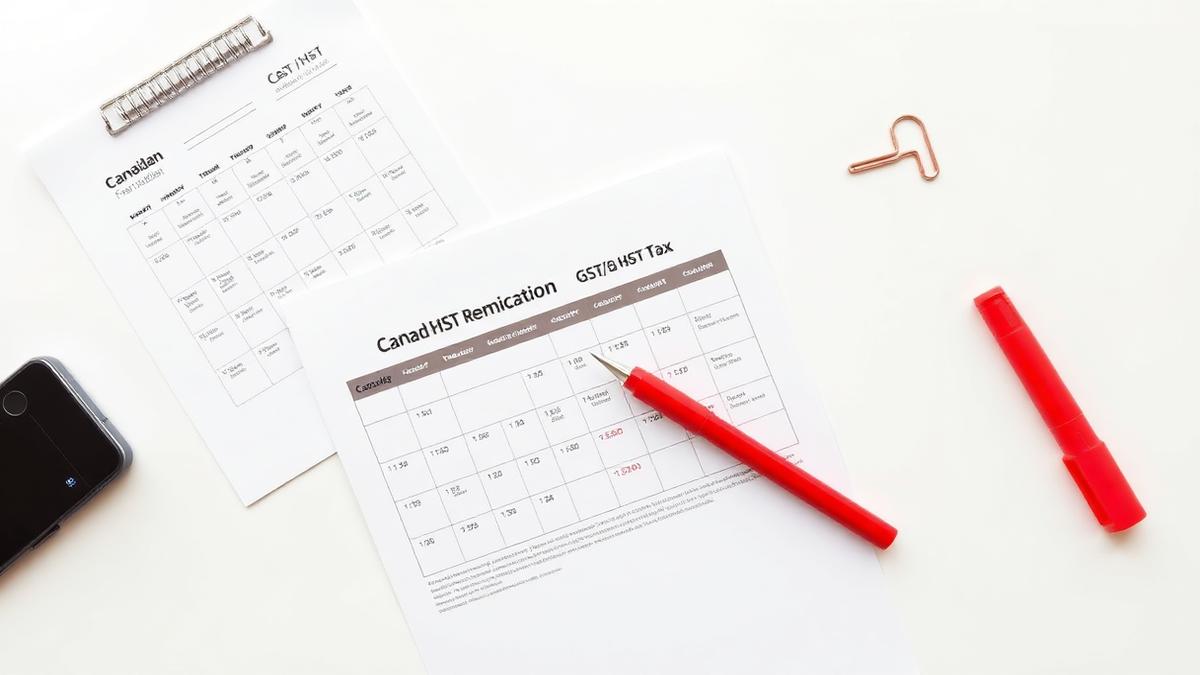
Annual filers with a December year-end generally have three months after year-end to file, but if you owe instalments, those are due quarterly regardless — filing annually doesn't mean paying annually. Quarterly filers must file and remit one month after each quarter close. Monthly filers get one month after each period close, with no grace period at all.
Non-calendar year-ends shift these dates, and businesses operating in multiple provinces need to track HST-participating provinces separately from GST-only ones, since the underlying mechanics — though not the deadlines — differ slightly.
How the penalties actually compound
The penalty formula compounds rather than adding linearly: a base percentage of the amount owing plus a per-month factor for as long as the return stays outstanding, on top of interest that accrues daily on both the unpaid tax and the penalty itself. A single missed quarter on a mid-six-figure remittance can cost more than a year of bookkeeping fees — and unlike income tax penalties, there's little discretion for first-time relief once the pattern repeats.
What we recommend instead
Set the filing frequency in your accounting software, not in someone's calendar — software-driven deadlines don't get forgotten during a busy season the way a sticky note does. Reconcile the sales tax liability account every month even if you file annually, so the amount owing is never a surprise when the return finally comes due.
And keep proof of input tax credits filed with the period they belong to, not batched at year-end. Reassessments almost always target ITCs with missing or late-assembled documentation, and a clean paper trail closes that door before it opens.
Want this handled for you?
Our CPA-supervised team keeps books current, filings on time and reporting predictable.