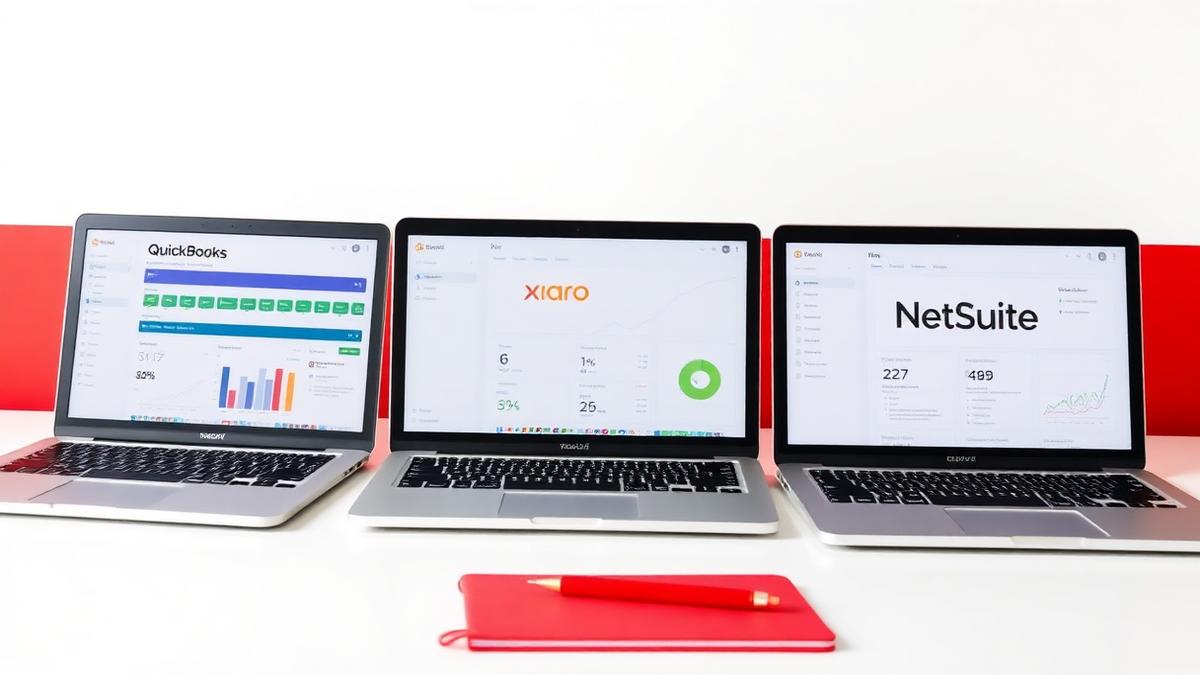
AI tools now sit inside QuickBooks Online, Xero, receipt apps, and bank feeds. For Canadian small and mid-sized businesses, that is useful and easy to misuse. Automating the wrong step does not save time; it moves the error into a later period, a wrong GST/HST code, or a payroll liability that no longer ties to the remittance form. This piece is a practical split: what is safe to automate in day-to-day bookkeeping, what should stay under human review, and how to keep Canada–U.S. operations honest about where the software ends and judgment begins.
What good automation looks like in a Canadian SME ledger
Start with volume and repetition, not with marketing claims. Good automation candidates share three traits: the transaction pattern repeats every week, the correct coding is already known from clean history, and a wrong guess is easy to spot in reconciliation. Bank rules for known merchants, recurring rent and software subscriptions, and invoice OCR that pulls vendor, date, and total into a draft bill all fit that profile.
Remote Books supports bookkeeping for clients across Canada and the United States. Canadian T1 and T2 work stays Canada-only. We do not prepare U.S. income tax returns, and we do not offer audit or assurance services. AI that drafts entries still has to land in a ledger a reviewer can close on time — usually by the seventh working day after month-end for our clients.
What to automate first
Automate the capture and the first pass. Let bank feeds and rules propose categories for vendors you already mapped. Let receipt apps attach PDFs so the invoice is in the file before anyone codes GST/HST. Let recurring templates post rent, insurance, and SaaS on the same day each month so Accrued Expenses does not become a dumping ground.
Also automate reminders and checklists: open items on Ask-my-accountant / Suspense, unreconciled accounts, and AR/AP aging past your agreed thresholds. Those prompts do not replace the close; they stop the close from starting with a surprise pile.
What you are buying is fewer keystrokes on work that already has a correct answer — not a machine that invents tax treatment.
What not to automate
Do not automate judgment calls that change tax, payroll, or owner equity. GST/HST and sales-tax coding for new vendors, mixed-use costs, and multi-province or Canada–U.S. purchases need a person who understands commercial use and the return. An AI suggestion that defaults "no tax" or the wrong rate is how ITCs disappear or payable balances drift.
Payroll classification — employee versus contractor, which jurisdiction withholds, how owner draws versus salary are labelled — is not a bank-rule problem. Wrong labels create T4/T5 mismatches in Canada and messy 1099 / W-2 trails for U.S. books even when this firm is not preparing the U.S. return.
Capital versus expense, prepaid versus period cost, and related-party or owner personal charges also stay human. So does anything that would change opening balances, prior-period adjustments, or a GST/HST control account after the return draft is underway. If the tool cannot show you the source document and the rule it applied, do not let it post unsupervised.
Guardrails that keep the month-end honest
Treat AI like a junior clerk with a fast keyboard. Policy before plugins: written bank-rule standards, who approves new vendors, and a hard stop that AI never posts to equity, payroll-liability, or GST/HST control accounts without review. Keep an exception log: every overridden suggestion is training data for better rules — or evidence the model is guessing.
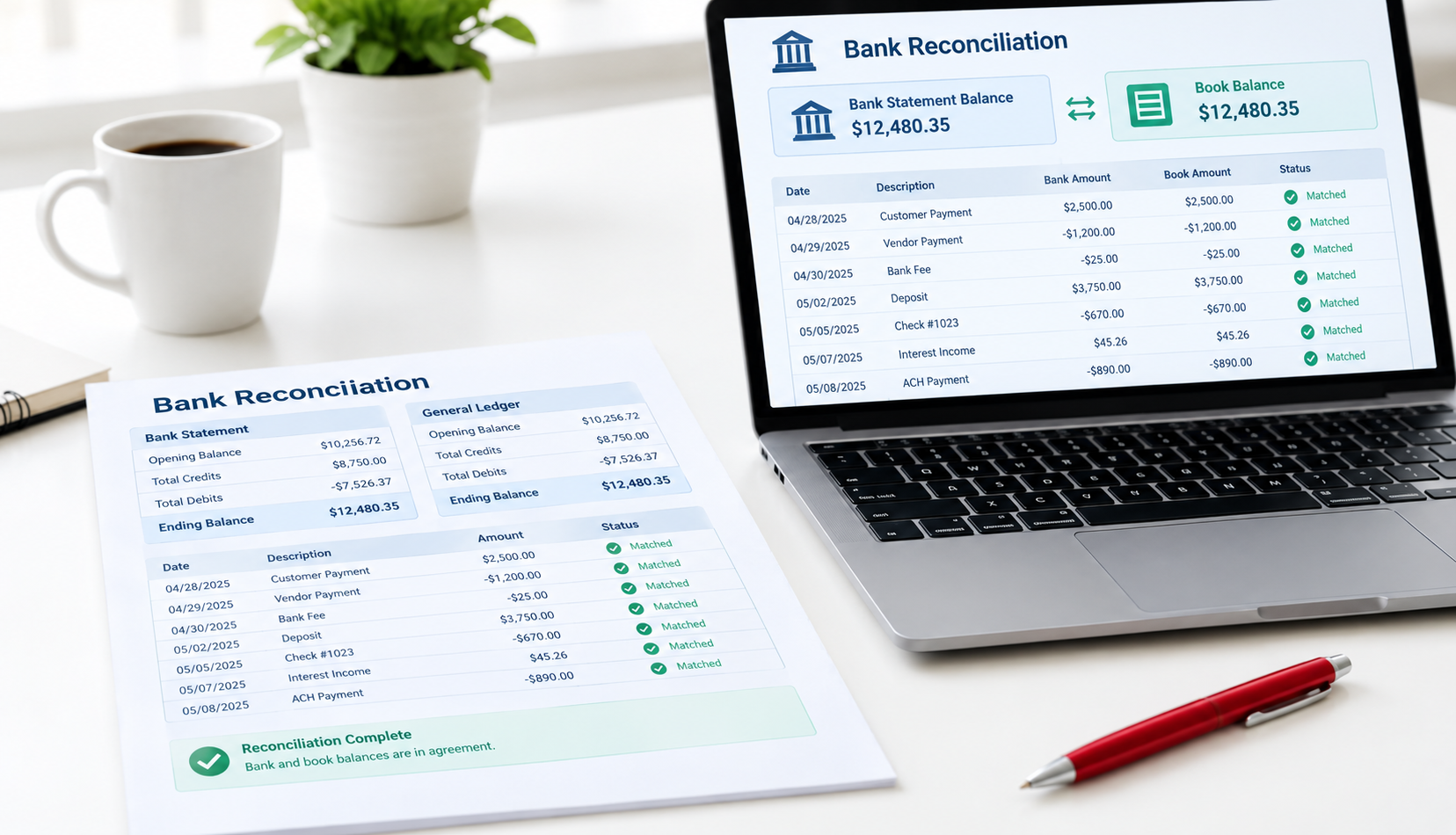
Reconcile to the statement, not to the AI confidence score. Month-end still means every bank and credit card ties out, AR and AP aging match reality, and sales-tax recoverable and payable tie to the draft return. For Canadian registrants, documents still have to support ITCs before you claim them; a model-generated memo is not an invoice.
If you operate in both Canada and the U.S., keep tax logic separated. Canadian GST/HST and U.S. sales tax are different control problems. Automating one feed into the other is how the wrong tax shows up on the wrong return.
This week’s checklist
This week’s checklist for Canadian SMEs (and Canada–U.S. bookkeeping clients):
List every bank rule and AI coding feature currently live in QBO or Xero. Freeze automation on GST/HST codes, payroll liabilities, owner draws, and equity until a reviewer signs off. Pull ten recent AI- or rule-coded transactions and match each to the invoice and the tax code. Clear Suspense before you call September closed. Confirm your bookkeeper — not the plugin — owns the month-end pack your CPA will read.
AI that speeds capture and consistent coding is worth adopting. AI that silently decides tax and payroll treatment is how clean-looking books fail the first desk review.
Want this handled for you?
Our CPA-supervised team keeps books current, filings on time and reporting predictable.